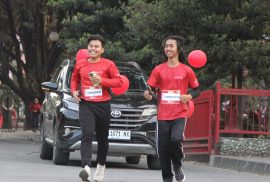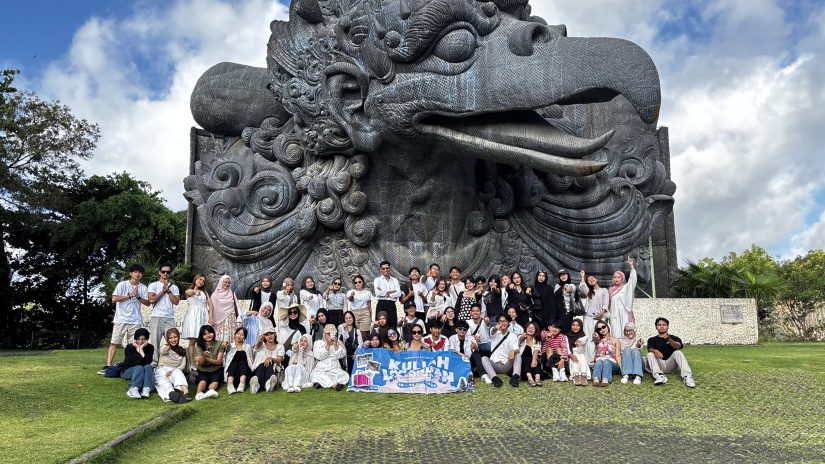
Students from the Tourism Study Program, Faculty of Cultural Sciences, Universitas Gadjah Mada (UGM), Class of 2023, carried out a series of field study activities in Bali from May 10–14, 2026. Accompanied by one faculty supervisor, Keenan Mukti S.N., S.Par, M.THEM., the field study ran smoothly and provided students with valuable academic and practical experience in understanding the dynamics of the tourism industry firsthand. The aim of the activity was to deepen students’ understanding of tourism as a system involving various actors, interests, and complex management dynamics. Bali was chosen as the destination because it offers a relevant learning environment for tourism students to directly observe how destination management practices are carried out in the field. Under the theme “Exploring the Dynamics of Destination Management and the Tourism Industry in Bali,” students simultaneously applied theories and knowledge gained in their sixth-semester courses: Seminar, Marine Tourism, Thematic Amusement Park Management Studies, Tourism and the Arts, Tourism Event Studies, and Interpretation and Guiding.
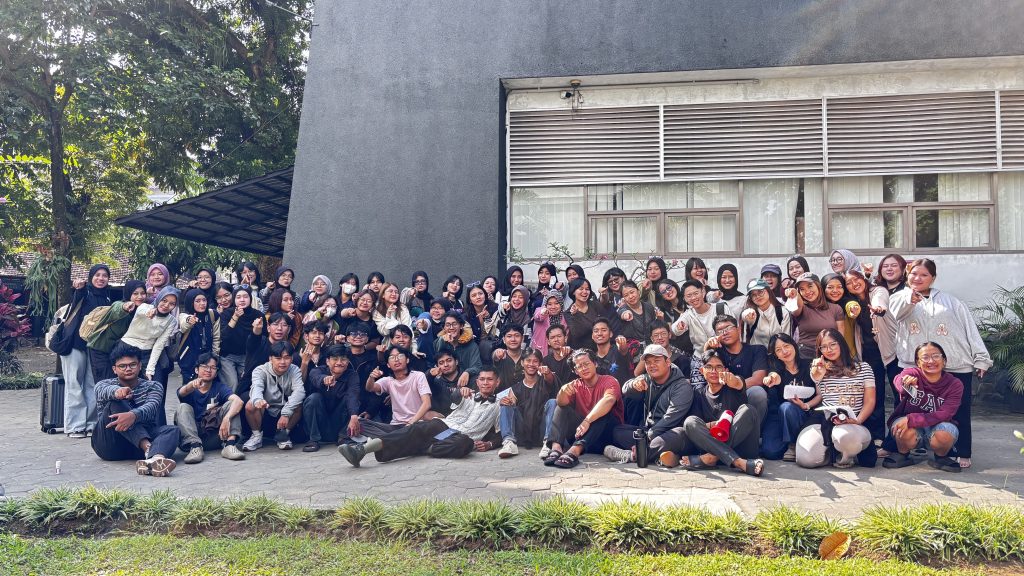
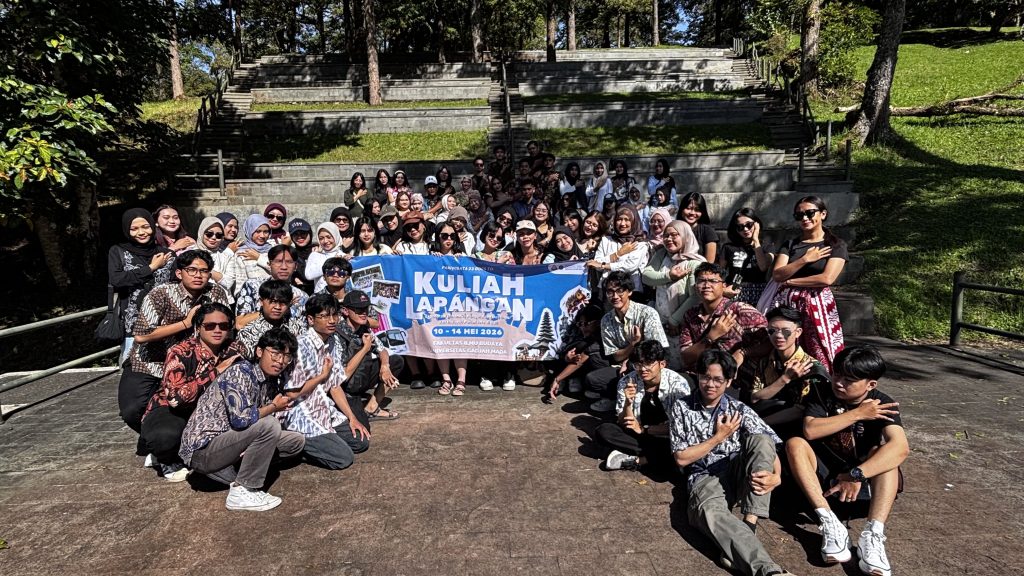
On May 11 2026, On the first day of activities in Bali, students made an educational visit to Kebun Raya Eka Karya Bali (Bali Botanical Garden), located in the Bedugul highlands. The day began with a sharing session with the garden’s management team, opened by a student representative serving as moderator. During the opening session, the management provided a brief overview of the garden’s profile, including its role as a conservation site, research facility, and collection of diverse flora under the auspices of the National Research and Innovation Agency (BRIN). They also explained efforts to preserve plants typical of tropical mountain ecosystems and the garden’s role in supporting environmental education and ecotourism.
Following the presentation, a Q&A session was held between students and the management team. Students’ enthusiasm was evident from the many questions raised throughout the discussion. Some asked about the management and operational systems of Kebun Raya Eka Karya Bali, while others were interested in the garden’s zoning system and strategies for maintaining a balance between conservation, research, tourism, and the surrounding community. However, due to a packed itinerary and the need to move on to the next destination, the discussion could only run for a limited time, and not all students had the chance to ask their questions.
After the sharing session, students were directed to board a shuttle to the Begonia Greenhouse, located within the botanical garden. There, students observed a wide variety of begonia species, both native to Indonesia and international collections. In addition to serving as a display area for ornamental plants, each specimen was accompanied by an information board listing its name, origin, species, and characteristics. Through this observational activity, students gained additional knowledge about floral biodiversity and the importance of ornamental plant conservation as part of preserving biological resources.
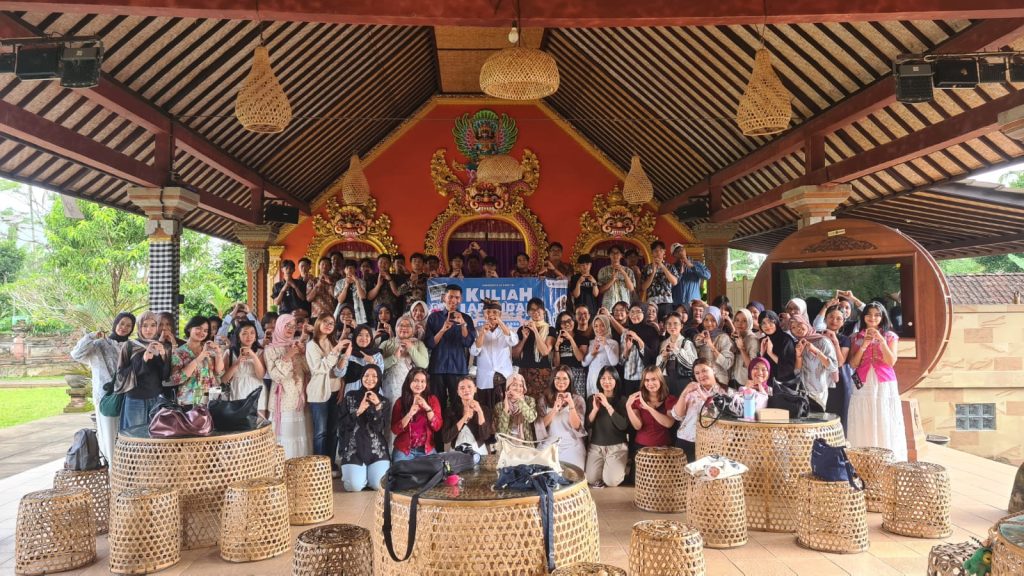
After completing all activities at Kebun Raya Eka Karya Bali, the group continued their journey to Penglipuran Tourism Village. Upon arrival, students were warmly welcomed by the local community and guided to a prepared hall. The session began with a presentation by one of the village’s elders, who explained the history of Penglipuran’s establishment as a tourism village, its geographical conditions, traditional spatial planning and settlement patterns, and the cultural values still upheld and practiced by the community today. He also elaborated on the concept of community-based tourism management, which has been one of the key factors behind Penglipuran’s success as a cultural tourism destination recognized both nationally and internationally.
Following the presentation, a Q&A session took place. Students raised various questions about the village’s management system, community organization, and strategies for maintaining Penglipuran’s reputation as one of the cleanest villages in the world. The discussion was lively and interactive, offering students new insights into the importance of preserving local culture, indigenous community participation, and sustainable tourism development rooted in culture and the environment.
After the discussion, the group explored the village, visiting its culinary area and souvenir center, both managed directly by local residents. Students purchased various Balinese foods, handicrafts, traditional textiles, and other souvenirs as a gesture of support for local small and medium-sized enterprises. Through this visit, students not only gained a cultural tourism experience but also came to appreciate the importance of empowering local communities to sustain the tourism sector.
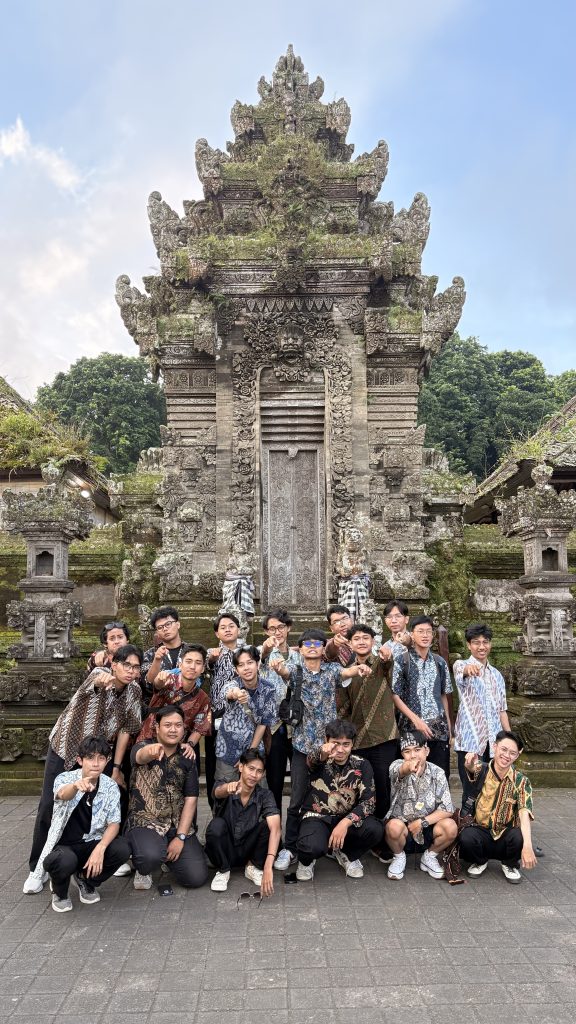
On May 12 2026 the second day, students made an educational visit to Monumen Bajra Sandhi, located in the city of Denpasar. The day began with a sharing session with the monument’s management team, lasting approximately one and a half hours. During the session, students received explanations about the history of the monument’s construction, its architectural concept, and its overall management system. A Q&A and discussion session followed, during which students actively shared perspectives and critiques regarding destination management, digitalization, promotional strategies, and the involvement of local communities in the area’s tourism development.
After the sharing session, students were guided to explore the monument’s three floors. The first floor serves as an exhibition space showcasing Balinese history and culture, including depictions of Balinese life in the past. The second floor presents information about Indonesia’s struggle to achieve and defend independence from colonial rule. The third floor is an observation deck offering panoramic views of Denpasar and its surroundings.
Beyond its role as a historical tourism site, Monumen Bajra Sandhi frequently serves as a venue for cultural events, traditional ceremonies, and festivals organized by local government and the community. The monument stands as an important symbol for the Balinese people in commemorating their historical struggle while fostering a spirit of nationalism and pride in regional culture. Through this visit, students gained valuable lessons about the importance of preserving history and culture, managing education-based tourism destinations, and the role of tourism in reinforcing cultural identity and national consciousness.
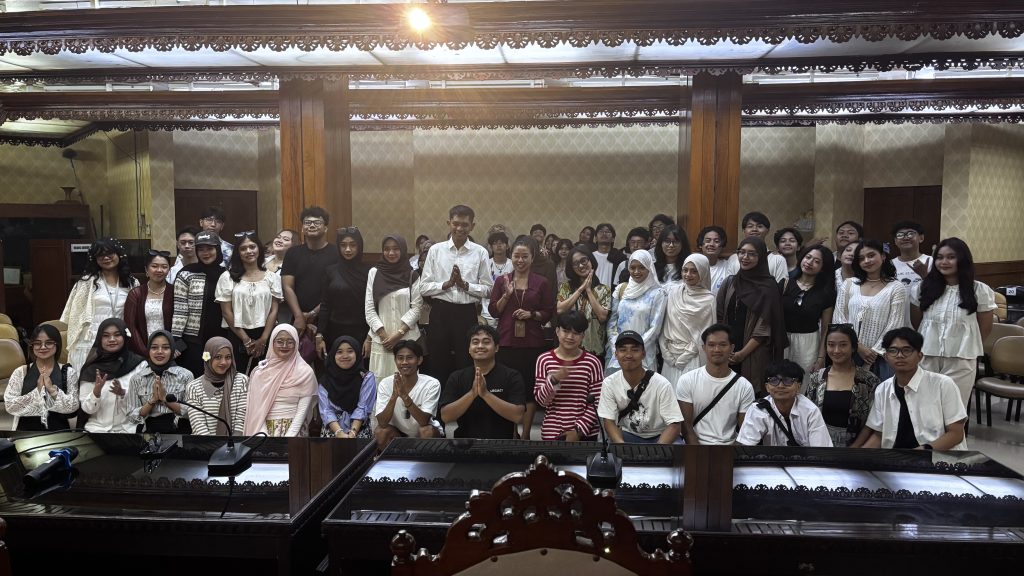
After concluding their visit to Monumen Bajra Sandhi, students continued to Garuda Wisnu Kencana (GWK) Cultural Park, located in Badung Regency. GWK is one of Bali’s most iconic cultural tourism destinations, renowned for its colossal statue of the Hindu deity Wisnu riding the mythical Garuda bird. The statue depicts Wisnu as the protector of the universe in Hindu belief, riding Garuda, a symbol of loyalty, devotion, and courage. Beyond its appeal as a tourist attraction, the GWK statue also serves as a symbol of the preservation of Balinese art and culture.
GWK Cultural Park features several main areas, each with distinct functions and characteristics. Among them is Plaza Wisnu, the highest point within the complex, which showcases a section of the Wisnu statue standing approximately 23 meters tall and is a popular spot for visitors to enjoy the surrounding panorama. There is also the Street Theater, the main pathway that serves as the entry and exit point for visitors throughout the cultural park.
Students also visited the Lotus Pond, the largest open area in GWK Cultural Park, frequently used for large-scale national and international events such as concerts, cultural festivals, and art performances. Another highlight was Indraloka Garden, a lush garden with beautiful natural scenery and a serene atmosphere its name derived from the paradise of the Hindu deity Indra. The park also features an Amphitheater, an open-air performance space with specially designed acoustics to support various artistic and cultural performances. Students additionally explored Tirta Agung, an open space often used for medium-scale events and as a drop-off and parking area for tourists due to its proximity to Plaza Bhagawan. At the main entrance of GWK stands Tirta Amerta, adorned with a miniature Garuda Wisnu Kencana statue and a fountain welcoming visitors to the complex.
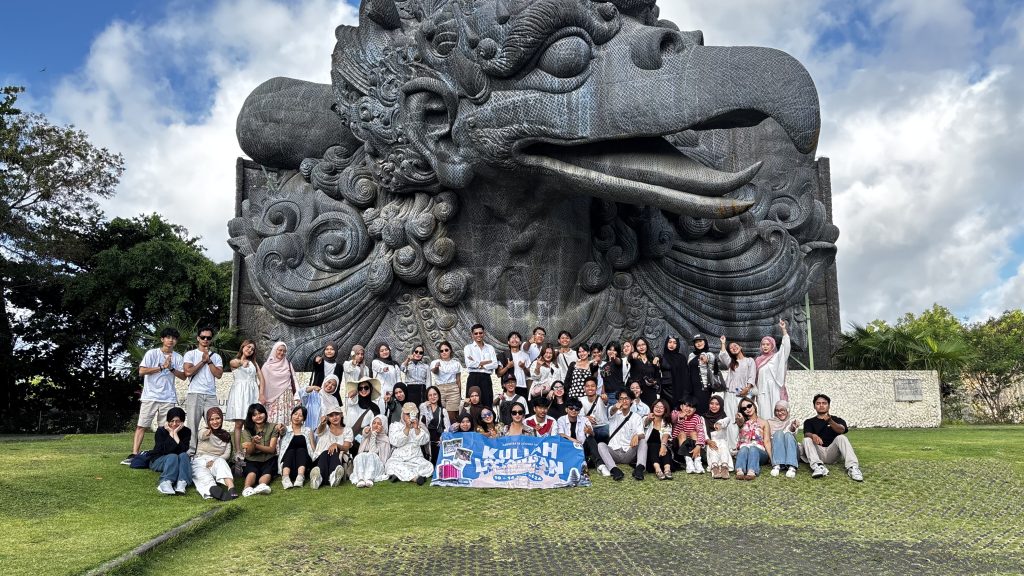
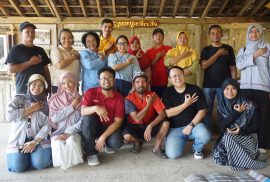
Through their observation of GWK Cultural Park, students gained insights into the management of an internationally scaled thematic cultural tourism destination, the use of art and culture as a tourism draw, and the importance of preserving local cultural values amid the development of the modern tourism industry. After completing all observations, students gathered at Plaza Wisnu for a group photo before departing for their next destination.
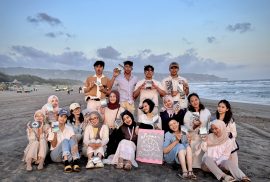
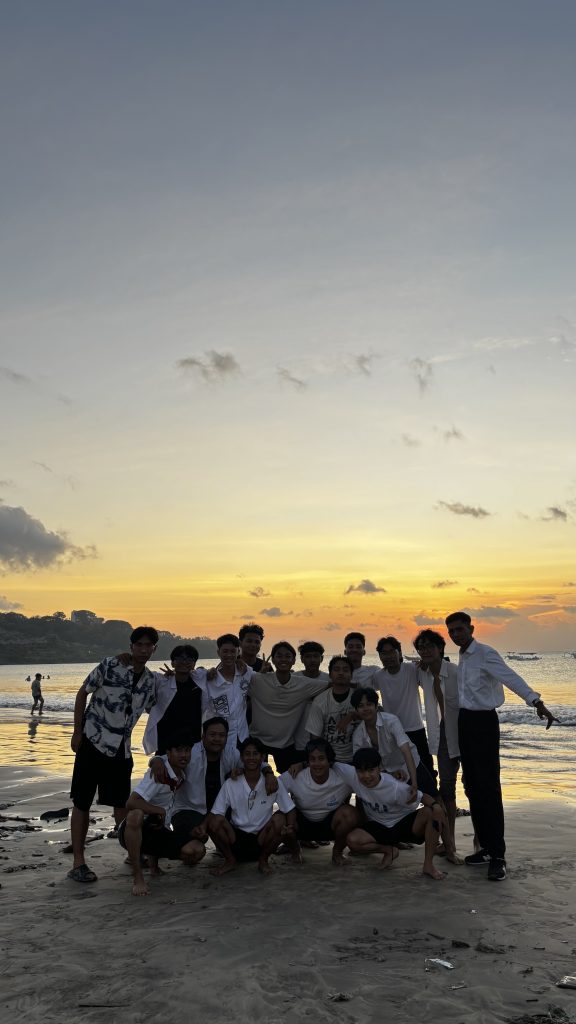
To close the second day’s exploration, students visited Jimbaran Beach to watch the sunset and enjoy a seafood dinner by the shore. The beach offers white sand and calm waves. Students and their lecturer shared a warm and relaxed evening, chatting and enjoying each other’s company.
On May 13 2026 the final day of the Bali field study, students made an academic visit to the Faculty of Tourism, Universitas Udayana. The day began with a welcome session held in the faculty’s auditorium. Dr. I Gusti Agung Oka Mahagangga, S.Sos., M.Si., Head of the Study Program, delivered a warm address welcoming the UGM Tourism students for an exchange of knowledge and academic discussion.
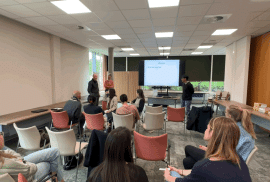
The program continued with a sharing session and academic discussion with lecturers and students from Udayana’s Faculty of Tourism. In the first session, Putu Wira Parama Sutha, S.Par., M.Par. presented on various tourism issues in Bali, ranging from overtourism and land use conversion to traffic congestion and the challenges of maintaining cultural and environmental sustainability amid the island’s high tourism activity. The presentation gave students a deeper understanding of the dynamics and challenges of tourism destination management in Bali, which has increasingly become a focus of attention in global tourism.
The second session was delivered by UGM Tourism lecturer Keenan Mukti Sinatriya Shangga Nagari, S.Par., M.THEM., who presented a talk entitled “Ada apa dengan Jogja?” (“What’s Going On in Jogja?”). The presentation examined various phenomena and dynamics in Yogyakarta’s tourism development, including shifts in visitor patterns, the growth of new tourism destinations, and the challenge of preserving cultural identity amid the expansion of the modern tourism industry. The discussion was lively and interactive, with students raising questions about culture-based tourism management, local community involvement, and strategies for sustainable destination development.
Both universities focused their discussion on the development and challenges of tourism in two of Indonesia’s premier destinations: Yogyakarta and Bali. Both regions are known for their rich cultural heritage, traditions, and historical legacies, making them major draws for domestic and international tourists alike. Beyond their cultural tourism potential, the discussion also highlighted factors supporting tourism growth in each destination. Yogyakarta has seen rapid tourism expansion following the opening of Yogyakarta International Airport, which has significantly improved accessibility particularly for international travelers. Bali, meanwhile, has evolved into an enormously popular international tourism destination but faces mounting challenges including infrastructure limitations, traffic congestion, and overtourism, which have put pressure on both the environment and the social fabric of local communities. The discussion emphasized the importance of adopting sustainable tourism practices to maintain a balance between economic growth, community well-being, and the preservation of culture and the natural environment in both destinations.
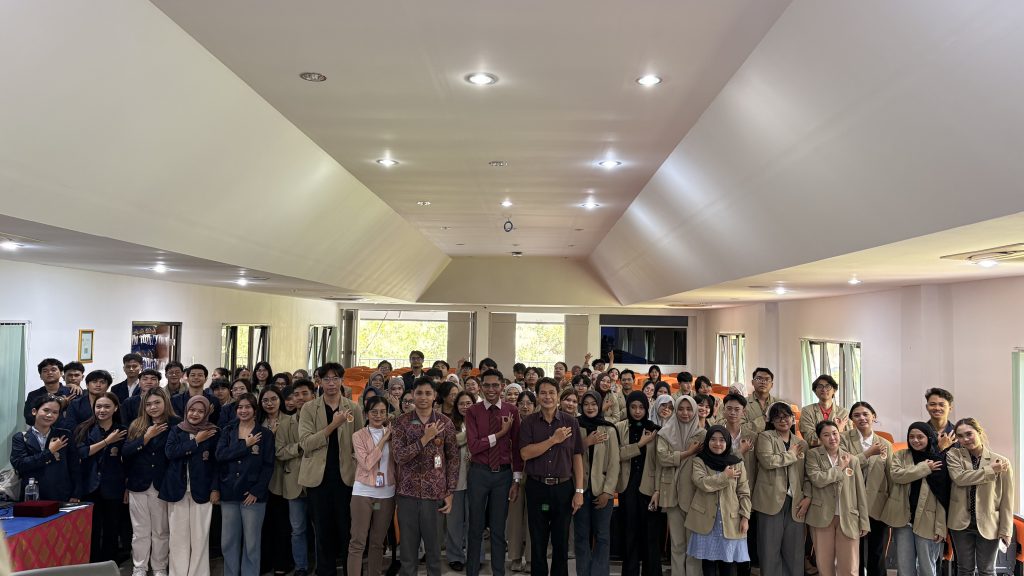
After concluding their academic visit to Universitas Udayana, students moved on to InJourney Tourism Development Corporation (ITDC) in the Nusa Dua area. The session began with a presentation by I Made Sulasa from the management team, covering the company’s profile, the history of Nusa Dua’s development, and the integrated tourism area management concept applied by ITDC. Students learned that ITDC is a State-Owned Enterprise (BUMN) engaged in the development and management of integrated tourism complexes, with a focus on developing world-class sustainable tourism destinations.
Students also received an explanation of The Nusa Dua’s growth as a world-class tourism destination developed over more than four decades, covering an area of 350 hectares. The management team described the wide range of supporting facilities available within the complex, including five-star hotels, a convention center, a golf course, a shopping center, and a waste management system underpinning the area’s sustainability. Beyond infrastructure, the presenter also outlined various operational policies rooted in sustainable tourism, such as energy and water efficiency, plastic waste reduction, habitat conservation, and regular environmental quality monitoring.
The discussion was engaging, with students asking questions about premium destination management, branding strategies for Nusa Dua as a venue for international events, and the involvement of local communities in tourism development. Following the presentation, students conducted a direct observational tour of several areas within the Nusa Dua complex to observe the facilities and management practices implemented by ITDC. Through this experience, students gained an understanding of the importance of integrated, professional, and sustainability-oriented tourism area management, as well as the significance of delivering high-quality visitor experiences.
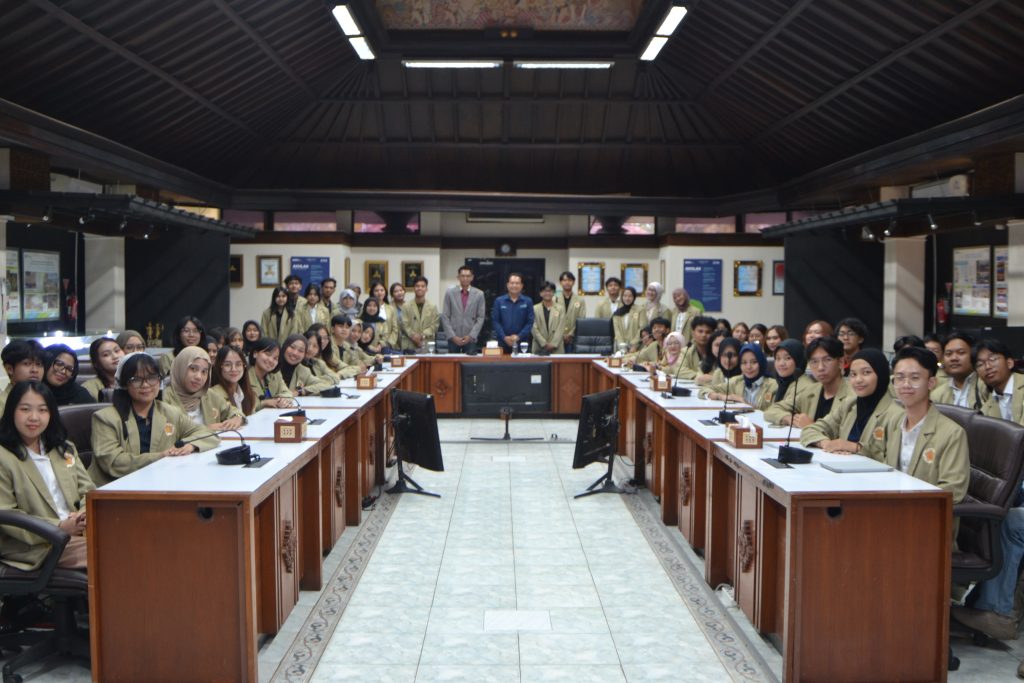
Overall, this field study provided students with rich academic and practical experience in understanding the various dynamics of destination management and the tourism industry in Bali. Through observing biodiversity conservation at Kebun Raya Bali, students learned about the urgency of preserving terrestrial ecosystems (SDG 15: Life on Land). The visits to Penglipuran Tourism Village and ITDC Nusa Dua provided vivid illustrations of how the tourism industry can drive inclusive economic growth through the empowerment of small and medium-sized enterprises (SDG 8: Decent Work and Economic Growth), while also sustaining traditional settlements and communities (SDG 11: Sustainable Cities and Communities) through responsible environmental and waste management (SDG 12: Responsible Consumption and Production). The academic collaboration with Universitas Udayana further strengthened the pillar of quality education (SDG 4: Quality Education) grounded in contextual research.
In sum, students came away with a broader understanding of the importance of developing tourism that is sustainable, culturally grounded, and inclusive of diverse stakeholders. It is hoped that this experience will equip them with stronger analytical skills, critical thinking, and the capacity to contribute meaningfully to the development of the tourism sector in the future.
Wherever you may be, thank you for the beautiful memories. Forever, Parkouris.
Writer: Jasminda & Atika
Editor: Faiq & Popi