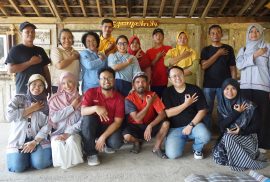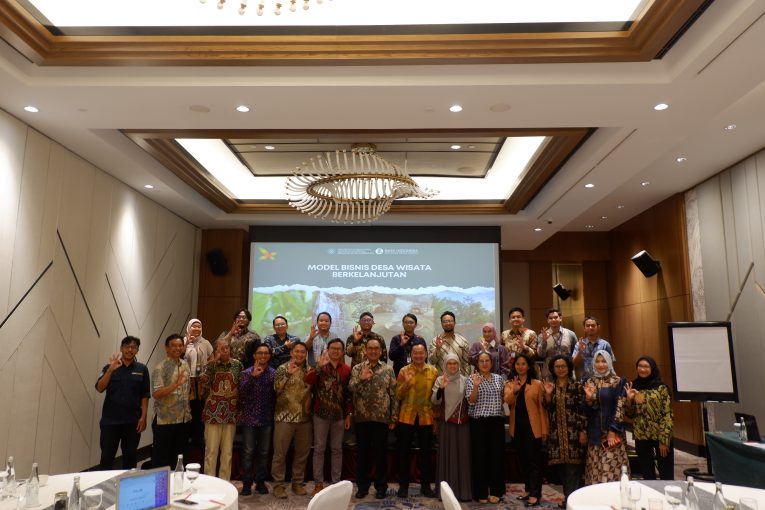
A team of lecturers from the Tourism Study Program at the Faculty of Cultural Sciences, Universitas Gadjah Mada (FIB UGM), in collaboration with Bank Indonesia (BI), is drafting the Sustainable Tourism Village Business Model Guidelines to encourage tourism village management across Indonesia to commit more deeply to sustainability. This guideline development program is a joint effort with Bank Indonesia, which is committed to building green, conserved, and sustainable tourism villages. The UGM team is led by Muhammad Rachmadian Narotama, S.T., M.Sc., Ph.D., a lecturer from the study program.
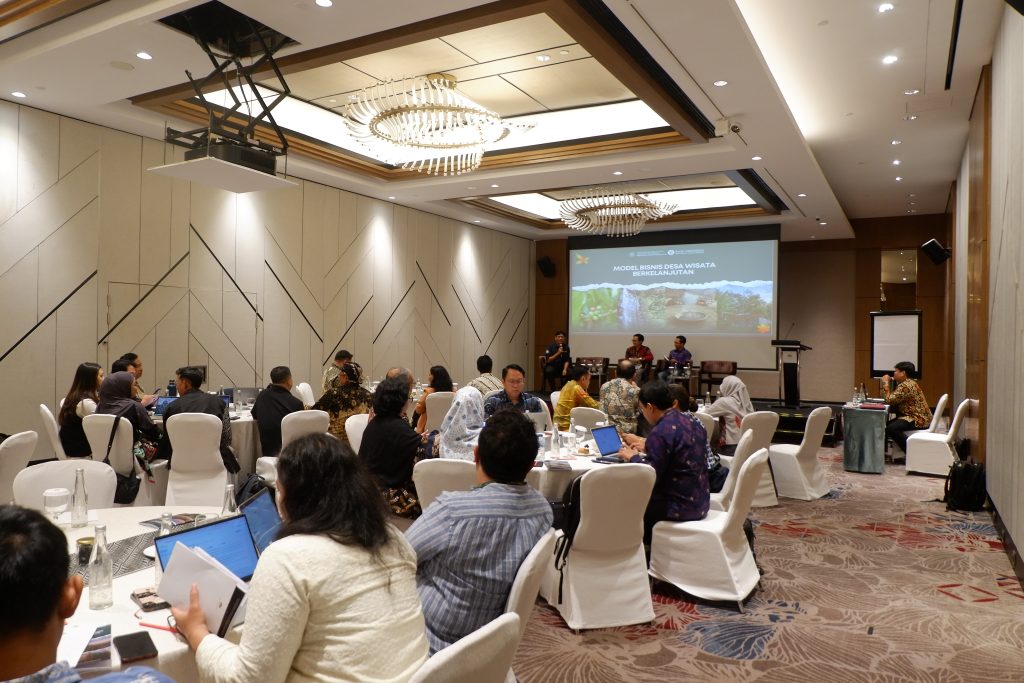
During the Focus Group Discussion (FGD) on the Evaluation and Validation of the Sustainable Tourism Village Business Model, it was revealed that there is currently no systematic and applicable framework to assess the business models of tourism villages focused on mainstreaming sustainability. The FGD took place on Friday (Oct 30) at the Mandarin Oriental Hotel, Jakarta. Kurniawan Agung, Head of the Green Economy and Finance Group at Bank Indonesia, emphasized the importance of developing these guidelines to help Indonesian tourism villages expand and map potential markets—particularly foreign tourists who care about environmental preservation and sustainability.
“The goal is to enable tourism villages to attract international visitors who care about sustainability, as the foreign tourist market is increasingly concerned with these sustainability standards,” stated Kurniawan Agung.
Meanwhile, the sustainable tourism village business model assessment guidelines were formulated to map and provide an assessment framework for tourism villages transitioning toward sustainable business practices. The Ministry of Tourism, in collaboration with the Global Sustainable Tourism Council (GSTC), already possesses a set of sustainable tourism assessment instruments. However, the guidelines prepared by FIB UGM and Bank Indonesia focus specifically on assessing sustainable business practices in tourism villages using a Business Model Canvas (BMC) approach. Furthermore, the assessment standard—which previously relied on over 100 parameters has been condensed into 21 indicators that still effectively represent sustainability principles within the BMC framework. Moving forward, these guidelines for sustainable tourism village business practices are expected to enrich existing assessment models.
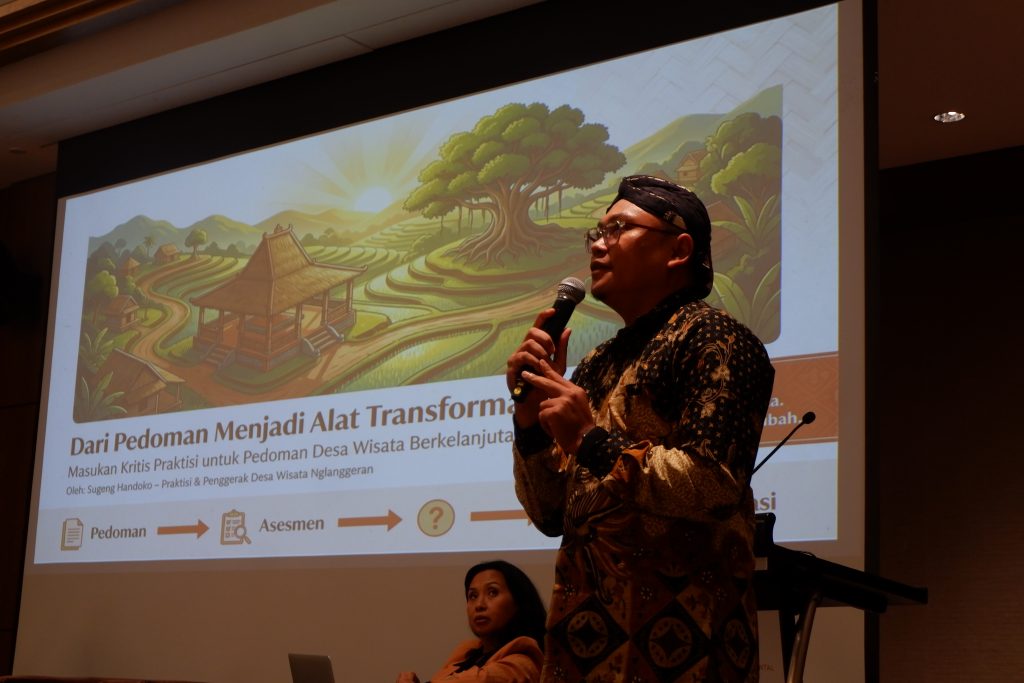
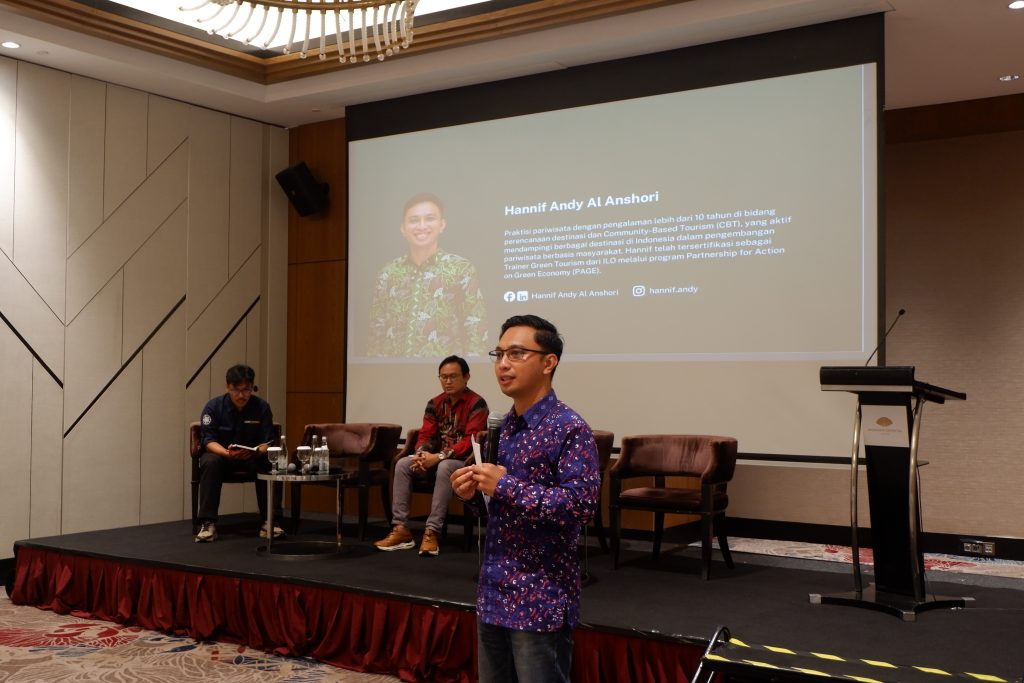
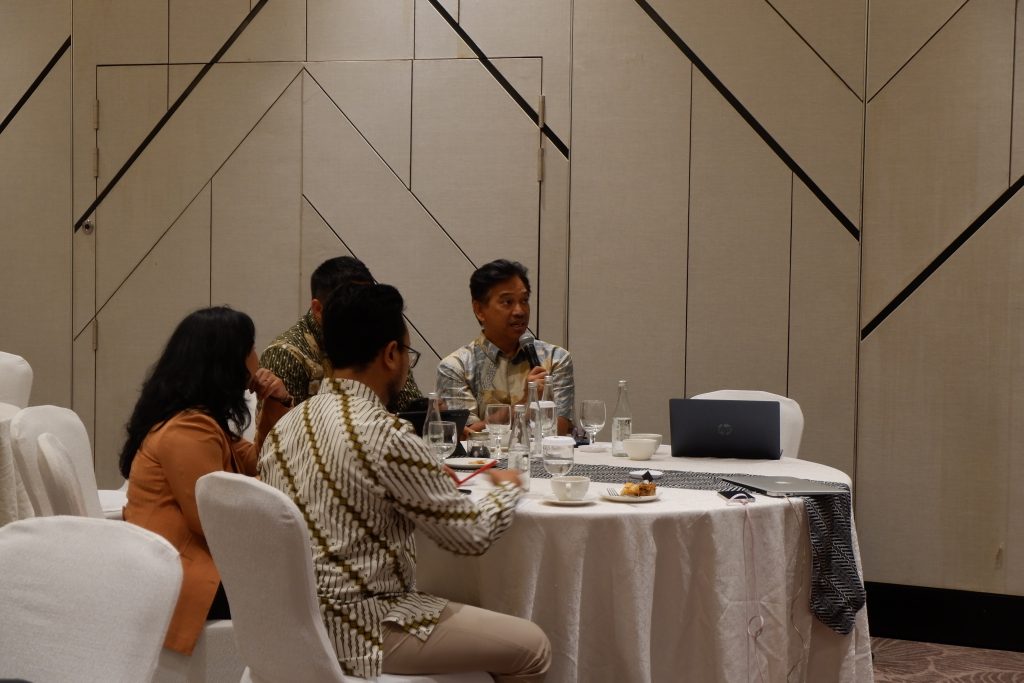
The FGD at the Mandarin Oriental Hotel Jakarta was also attended by various discussants, including tourism village practitioners, academics, and industry representatives. Among them were Hannif Andy Al Anshori, S.Par. (Director of the Desa Wisata Institute); Danesta Febianto Nugroho, S.St.Par., M.A., M.E. (Head of Tourism Awareness Community Development Division, Ministry of Tourism); Dr. Ahmad Hudaiby Galih Kusumah, MM., CHE. (Head of the Master’s Program in Tourism, Universitas Pendidikan Indonesia); Sugeng Handoko, S.T. (Secretary of Nglanggeran Tourism Village); and Madeleine Sophie (Head of Public Relations at the Association of the Indonesian Tours and Travel Agencies – ASTINDO). The discussion highlighted that tourism village business practices are quite complex, as a tourism village is not a single business entity like a corporate firm. Instead, a tourism village must be viewed as a complex ecosystem where various components interrelate and influence one another. The business practice guidelines developed by FIB UGM’s Tourism Study Program are expected to be launched soon as a quality control instrument for tourism villages assisted by Bank Indonesia.
The formulation of these sustainable tourism village business model guidelines aligns directly with the achievement of the Sustainable Development Goals (SDGs), particularly SDG 8 (Decent Work and Economic Growth) and SDG 12 (Responsible Consumption and Production). By leveraging the Business Model Canvas (BMC) framework to streamline sustainability indicators without compromising core principles, this collaboration among FIB UGM academics, Bank Indonesia, the government, and industry practitioners strengthens the governance of tourism village ecosystems making them more environmentally friendly and adaptable to the international tourist market. This strategic initiative not only fosters inclusive local economic growth and community-based job creation but also safeguards natural and cultural resources for future generations.